

Table of Contents
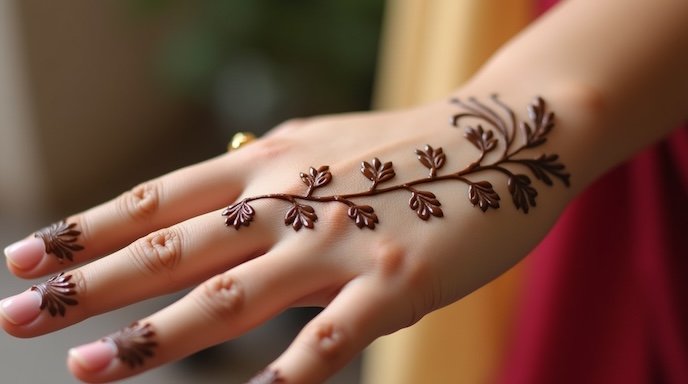
Simple mehndi designs that are stylish, quick, and beginner-friendly are becoming very popular in modern Indian fashion. Unlike heavy bridal or intricate Arabic patterns, easy mehndi designs embrace minimalism and elegance. In this guide, we explore the rising popularity of simple mehndi, define what makes a design “simple”, recommend essential tools, and provide plenty of design ideas – including tutorials, motifs, tips, FAQs, and a gallery of dozens of easy designs from our collection for you to use.
After reading this article and viewing the dozens of Simple Mehndi Designs included, be sure to go to our home page Mehndi Design Gallery and check out the other mehndi designs we have.
Growing Popularity and Cultural Appeal of Simple Mehndi
Simple mehndi designs have exploded in popularity lately, especially among young Indian professionals and students who want attractive henna art without spending hours applying elaborate patterns. Minimalist mehndi is definitely getting more popular.
People seem drawn to the beauty of simpler, cleaner designs rather than the traditional full-hand coverage. Honestly, it’s probably because most people are juggling busy schedules, and these quick, easy mehndi designs just make life easier. They’re practical too, especially for office settings, where intricate designs might feel a bit too flashy.
Mehndi has always held cultural importance in India, particularly during celebrations. But the younger generation, including brides, is giving it their own spin. More and more brides are moving away from those dense, intricate designs and embracing elegant, subtle looks.
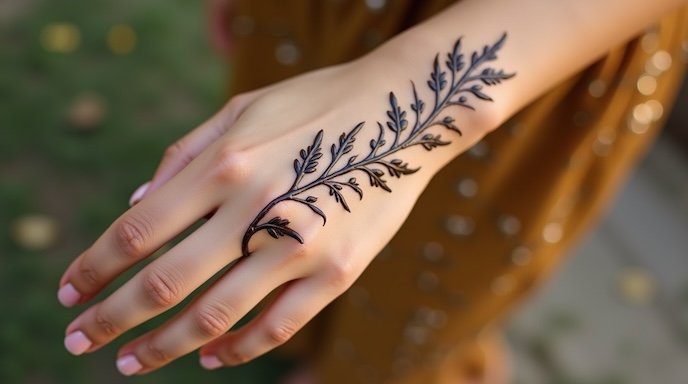
Minimal floral patterns paired neatly with just a delicate wristband or ankle motif are pretty and understated. In fact, a recent survey found about 40% of brides now prefer unique, simplified designs that better showcase their personalities rather than sticking to traditional styles.
Mehndi’s global appeal has grown too, especially as a temporary tattoo trend in Western countries. Simple designs are attractive because they’re versatile. You can wear them at college functions, office gatherings, or casual parties without feeling overdressed. These designs blend tradition and modern taste, resonating perfectly with contemporary Indian style.
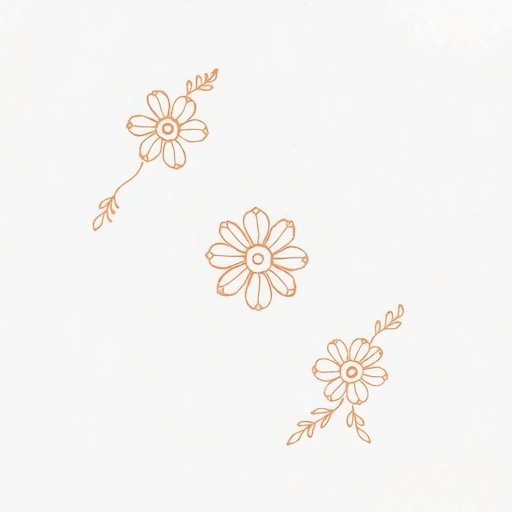
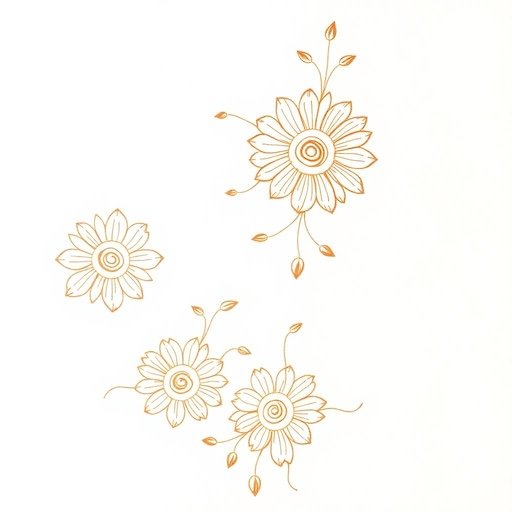
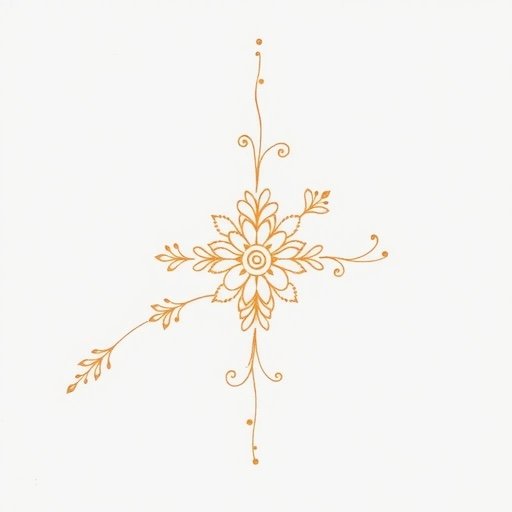
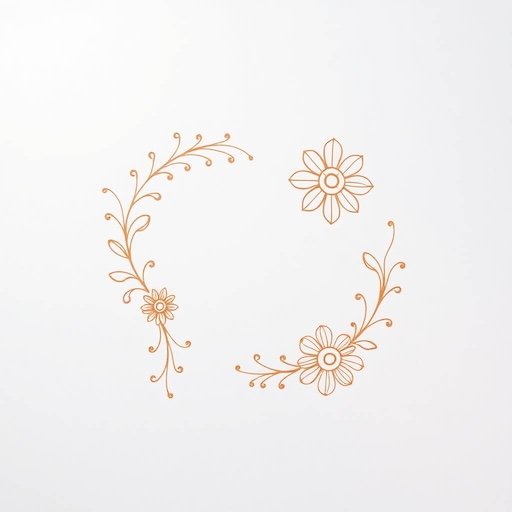
Below are some simple mehndi designs from our collection. Continue scrolling through the article for even more designs.
Click the image to open an image and print it if you’d like to use it as a guide.
What Makes a Mehndi Design “Simple”?
Not every mehndi pattern can really be labeled “simple”. Usually, simple designs are all about minimalism, speed, and ease of application. There is a noticable difference from the intricate bridal or Arabic mehndi styles. Here’s what typically sets simple mehndi apart:
- Less Dense Patterns & More Empty Space: Simple designs let your skin breathe. They embrace negative space to avoid clutter. These small gaps create a lighter, airy look that’s elegant yet straightforward.
- Fewer Motifs & More Repetition: Instead of loading up a design with tons of different motifs, simple mehndi often highlights just a couple of elements used repeatedly or as standalone features. The patterns usually stick to basics like flowers, leaves, dots, and simple geometric shapes, which anyone can draw easily.
- Minimal Detail, Bold Lines: Typically, simple mehndi uses thicker, bolder lines, and motifs lean towards abstract forms. You don’t need super fine precision. Just a clean outline or a small, neat flower can complete the look. This makes these designs perfect for beginners.
- Symmetry and Simplicity: Symmetrical designs like mandalas or traditional “tikki” patterns (the simple circular design in the center of your palm) are common because they’re quick and straightforward. A design might take only 10-15 minutes compared to the hours needed for elaborate bridal styles.
- Modern Adaptations: Simple doesn’t equal boring. Contemporary artists often add unique touches by experimenting with placement, negative space, and tiny personal symbols. These small creative details keep things fresh and personal, yet they remain uncluttered compared to traditional, detailed designs.
In contrast, elaborate bridal or Arabic mehndi usually involves dense, intricate patterns covering the whole hand or foot, requiring significant skill and time. Simple mehndi, by comparison, focuses on fewer, impactful elements, resulting in a clean, stylish look suitable for both traditional and Western outfits, without feeling overly decorated.
Tools and Supplies for Easy Mehndi Designs
Honestly, creating neat mehndi designs becomes way easier when you have the right tools. Here’s what beginners should definitely keep handy and why they matter:
- Henna Cones: These little cones, usually made of plastic or cellophane, are the classic choice for applying henna. They’re filled with henna paste and have a tiny tip, perfect for drawing fine lines and detailed patterns. You can grab store-bought ones or make your own at home. Homemade is great because you can control ingredients, ensuring no chemicals sneak in. Just make sure to sift the henna powder well and mix smoothly with lemon juice and essential oils to avoid clogging. And pro tip: always snip the smallest opening at the cone tip for precise lines.
- Applicator Bottles: If cones feel a bit tricky at first, applicator bottles might be your thing. They’re kind of like tiny squeeze bottles used for cake decorating and come with metal tips of different thicknesses. Bottles can give you a steadier grip, like holding a pen, which makes it easier to control the flow. Start with a thin tip to get fine lines; you can swap for a thicker one later to fill bigger spaces.
- Miscellaneous Supplies: A few extras can make the whole process smoother. Pins or needles help unclog the cone tip when henna paste gets stubborn. Tissues or cotton swabs clean up small messes quickly before the henna stains your skin. Tape is essential if you’re making your own cones, plus a bit around the tip helps keep lines extra fine. Gloves protect your hands if you’re mixing henna or filling cones (trust me, stained fingers are no fun). Flat surface or practice hand lets you test and perfect your designs before trying them on skin.
- Aftercare Products: Even simple mehndi designs deserve vibrant stains. Many kits come with a sealing spray, but a DIY lemon-sugar mix in a spray bottle works wonders too. Just lightly spray it on your drying design to keep it moist and enhance color.
With the right tools, even beginners can create gorgeous, clean mehndi patterns in no time!
Design Placement Ideas: Hands, Fingers, Feet, and More
Where you decide to place your mehndi design can completely transform how it looks. Simple mehndi designs are incredibly flexible. You can apply them practically anywhere on your hands and feet for great results. Here are some placement suggestions, complete with helpful tips and popular motifs for each area:
Front Hand (Palm) Designs
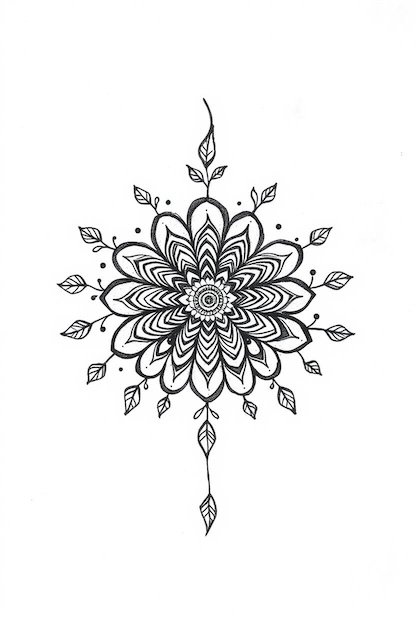
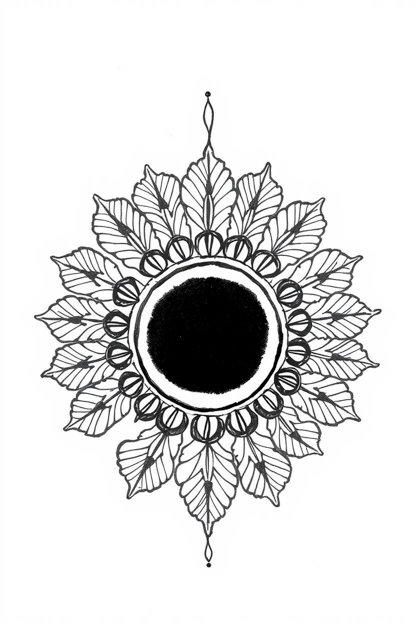
The palm is the most traditional spot for mehndi, and even simple designs look stunning here. One timeless option is the tikki. A neat, solid circle or mandala right in the palm’s center. It’s straightforward but instantly noticeable. Since palm skin absorbs henna exceptionally well, even the simplest pattern can come out rich and dark.
Floral mandalas are pretty popular also. Imagine a delicate flower pattern with a few circular borders and petals around it. Adding small dots or little shapes to the fingertips can nicely complement a main palm design.
Palm designs last longer and look darker than on other body parts, which is why they’re so popular with women who prefer subtlety. They are easy to hide or flaunt whenever you like. A simple lotus or paisley motif at the center also works beautifully, or you could opt for a minimalistic Arabic diagonal pattern from palm to finger.
For a detailed discussion and more design ideas you can read our article on Simple Front Hand Mehndi Designs.
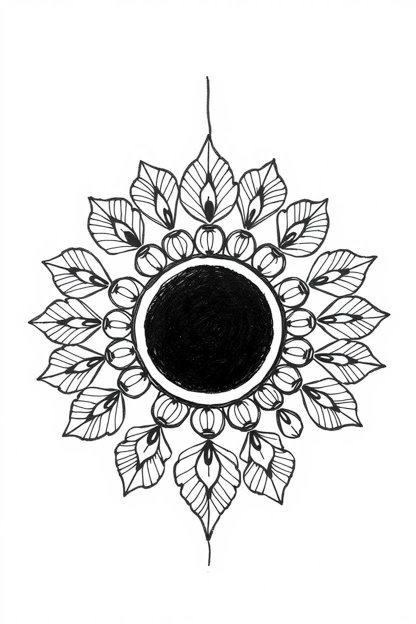
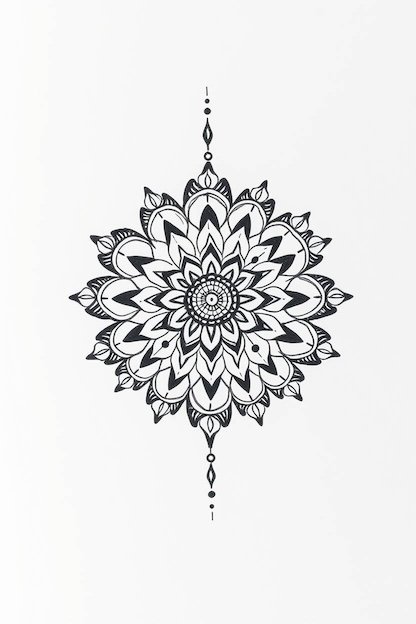
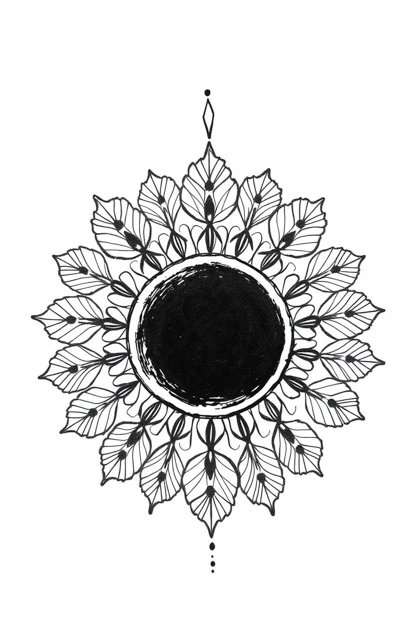
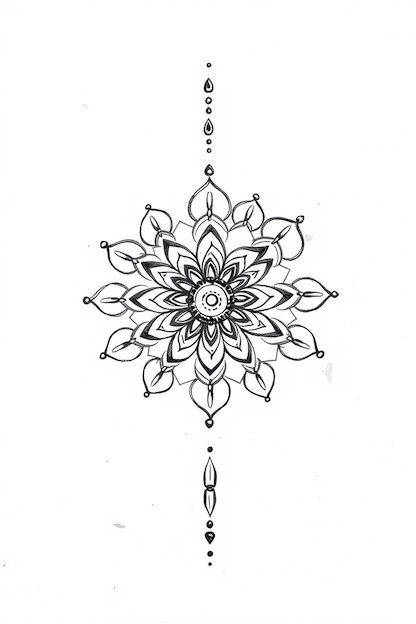
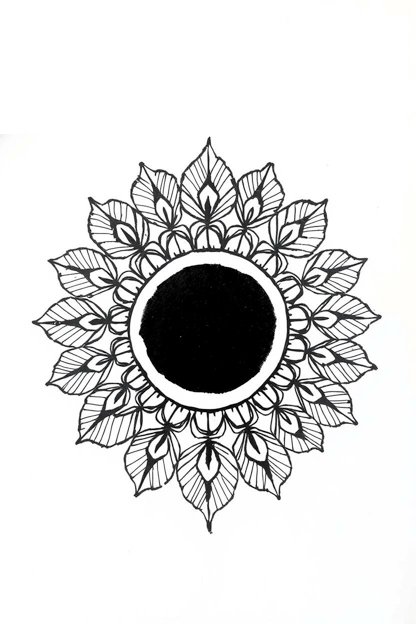
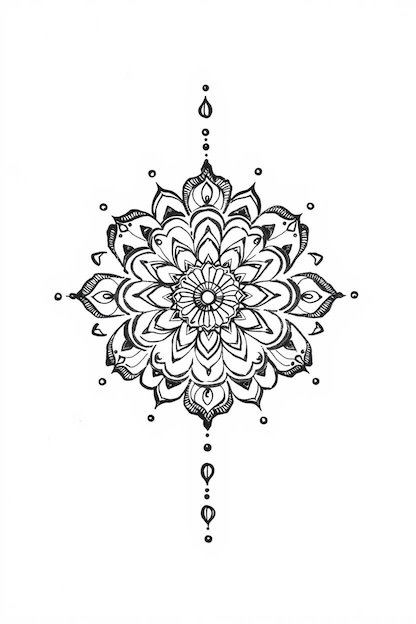
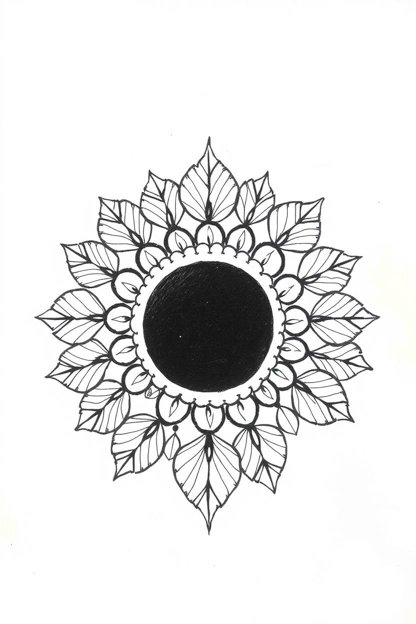
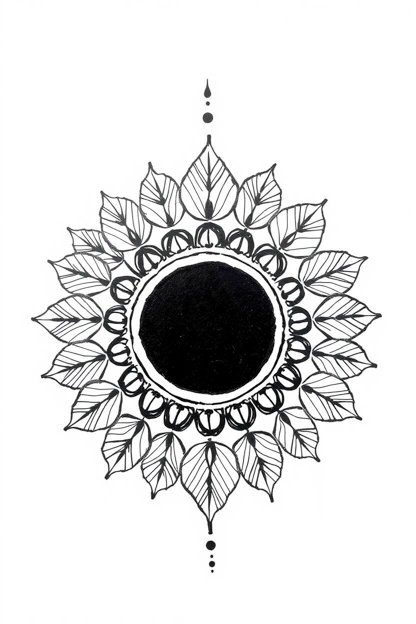
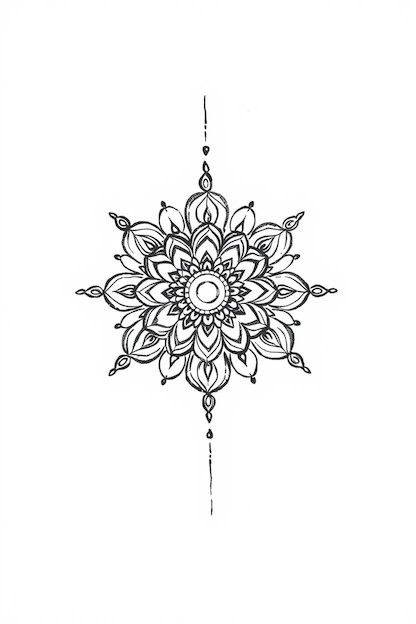
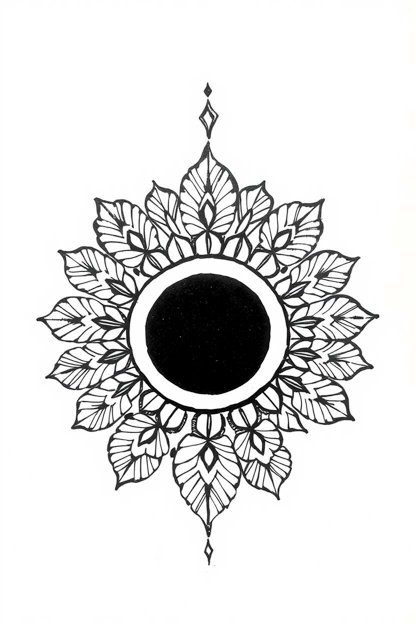
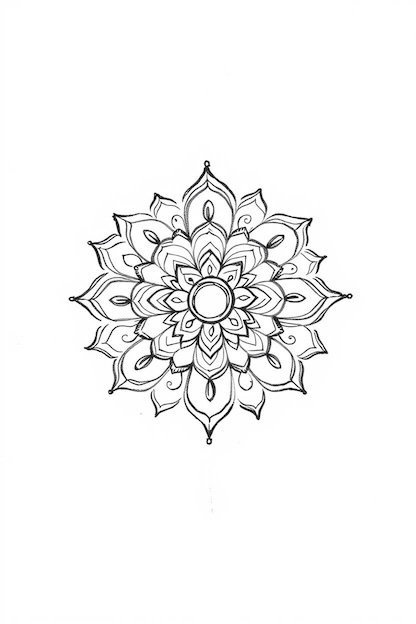
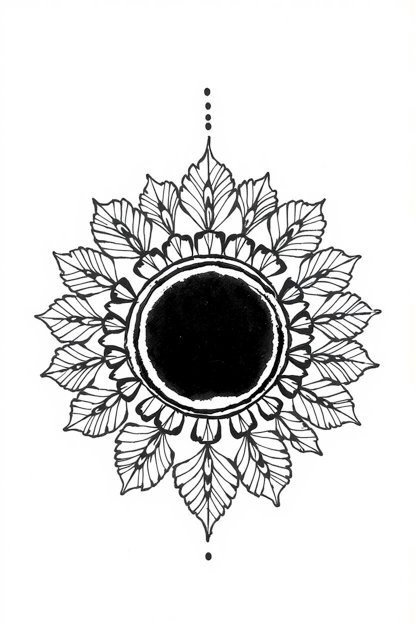
Here are a few mandala and tikki designs from our collection.
Back Hand Designs
The back of the hand is basically your personal display area. Any mehndi design here is always visible, even casually. Simple patterns on the back hand have grown super popular thanks to their trendy appeal. The skin here doesn’t stain as darkly as the palm, so you’ll often see slightly thicker lines and bolder motifs to enhance visibility.
The designs shown above for the front of the hand can also be used on the back of the hand.
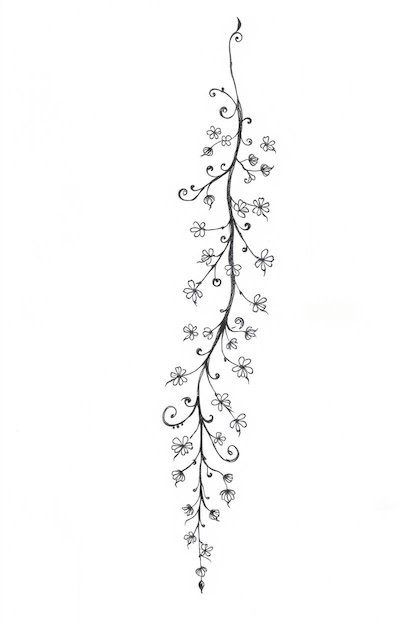
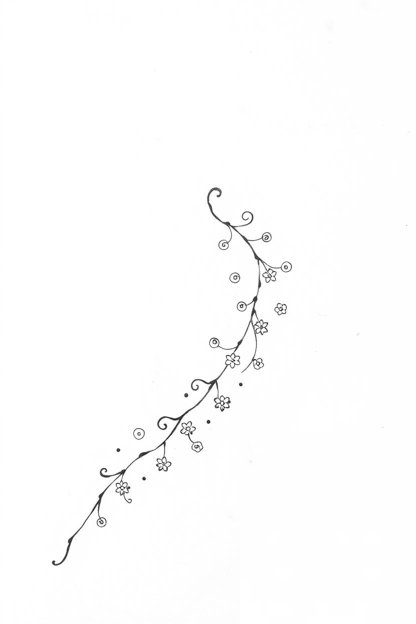
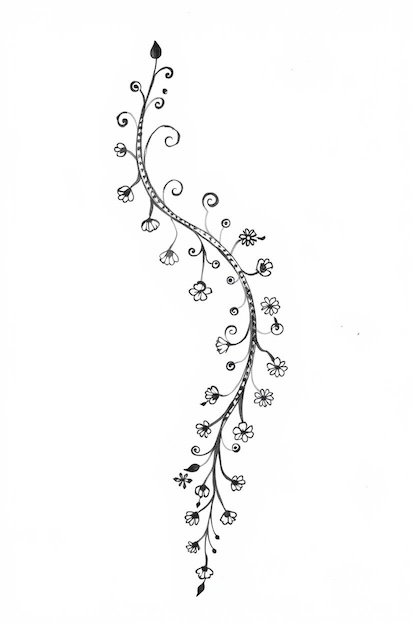
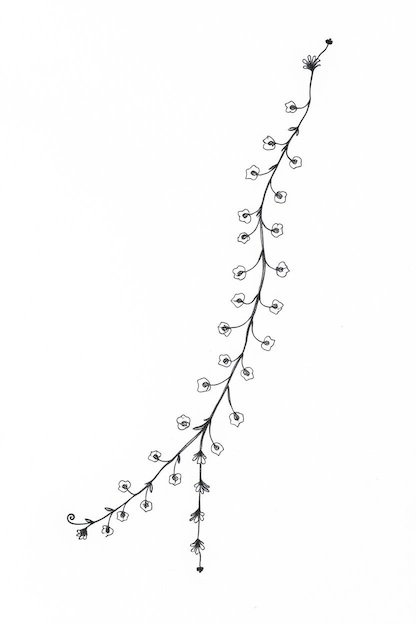
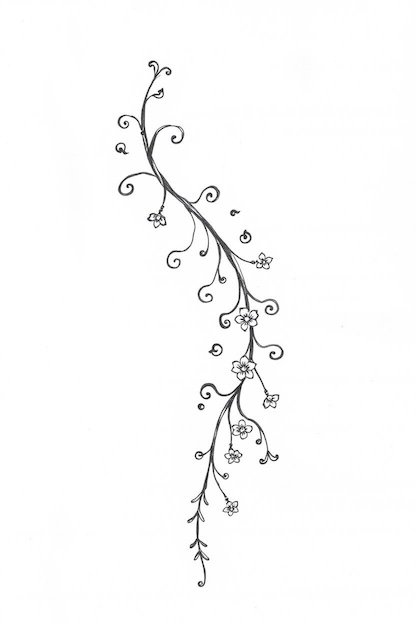
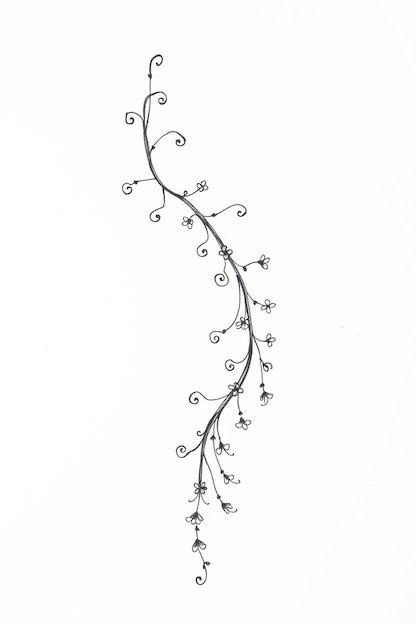
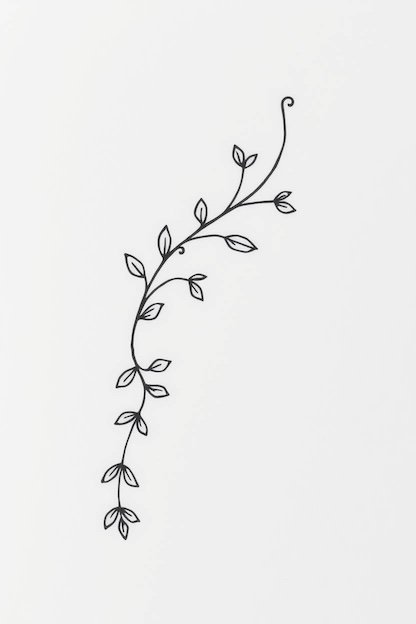
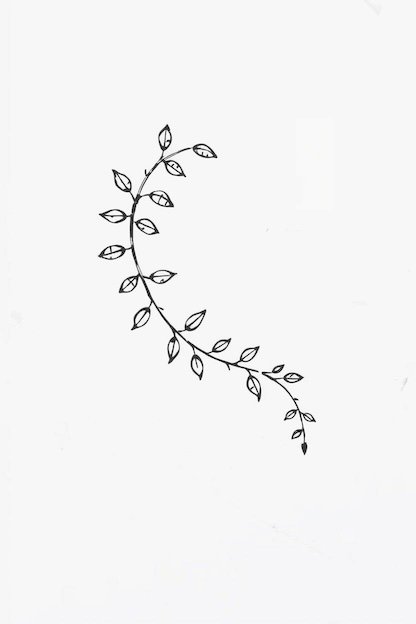
A favorite simple design is a diagonal trail that runs from a knuckle toward the wrist. This could be delicate vines or tiny flower chains. It’s elegant without being overly showy.
Another lovely idea is a bracelet-style mehndi, wrapping around the wrist with a tiny pattern extending toward the hand. Ring designs on the fingers, leaving the rest of the hand open, are also charming and minimalist.
College students and bridesmaids especially love designs that adorn just one finger. Little spirals or dots, nothing fancy, yet undeniably stylish. These back-hand designs pair wonderfully with Western outfits, too.
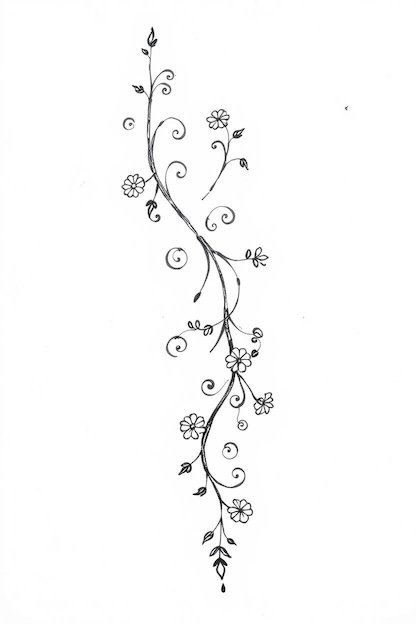
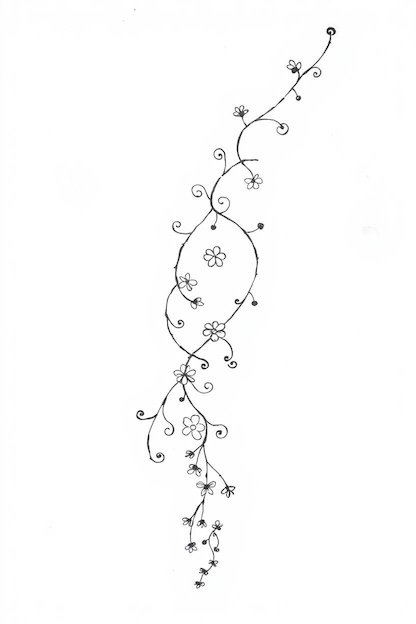
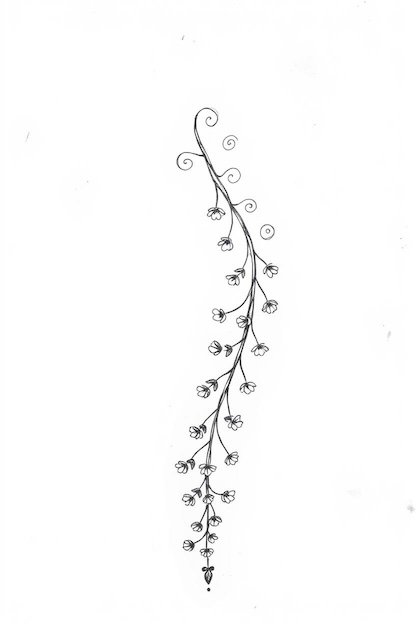
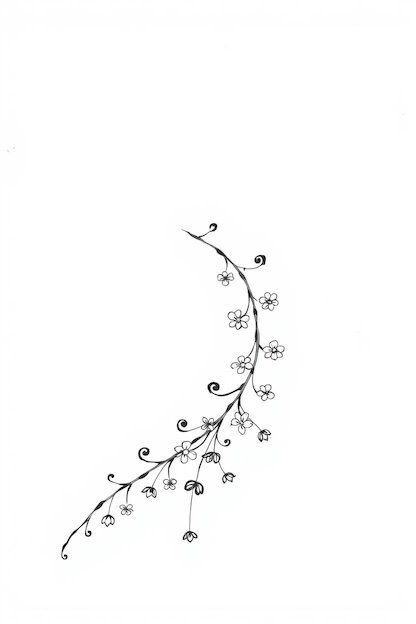
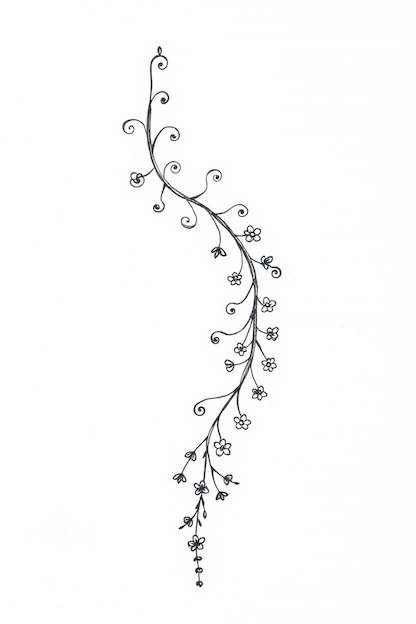
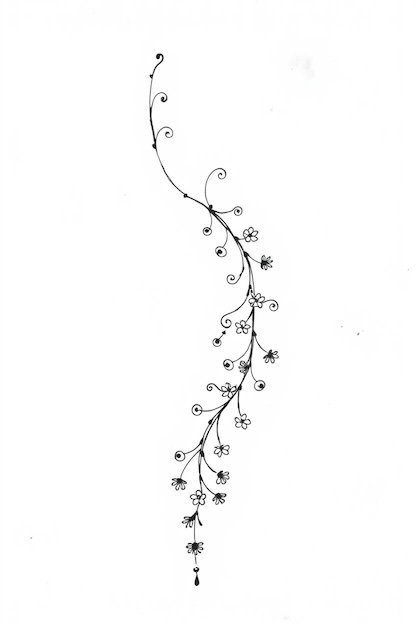
Below are some sample floral vine designs from our collection that can used on the back of the hand. There are infinite possibilities for designs like these so be creative and have fun.
Finger-only Designs
Sometimes, less truly is more. Simple finger mehndi designs are perfect if you just want a hint of henna without the full-hand commitment. You can decorate all five fingertips with tiny mandalas or vines, or keep it super minimal by focusing on just one or two fingers.
For example, drawing small flowers or a pretty mesh pattern on just your index and middle fingers looks subtly chic. Ring-finger designs, which mimic jewelry, are trendy too. A simple band design or tiny flower can look exactly like a delicate ring.
Jaali (mesh) patterns, crisscross lines forming an elegant net, are beginner-friendly and quick to apply. Keep designs minimalistic if you’re doing multiple fingers. Just a line of dots can do wonders.
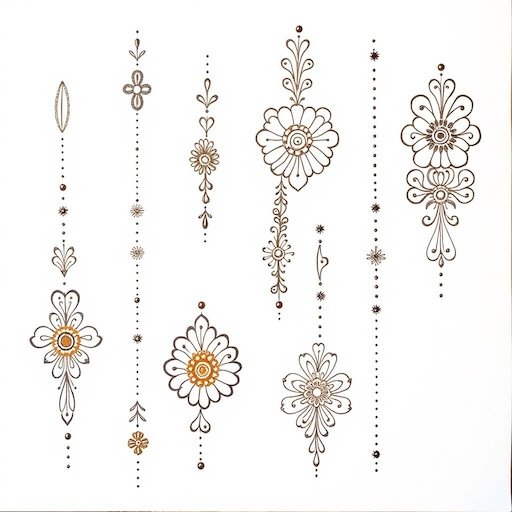
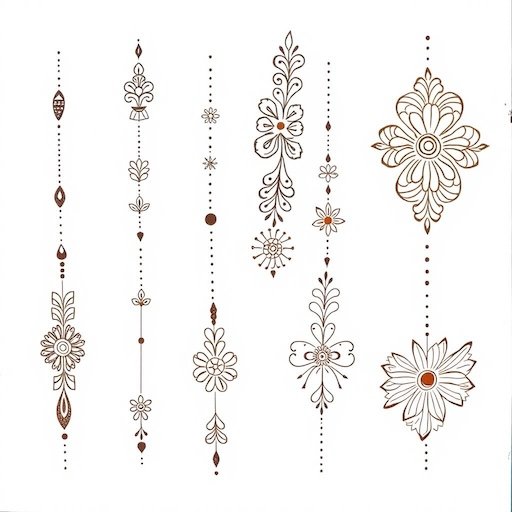
Below are some sample designs from our collection that can used on the back of the hand and fingers. The design possibilities are endless so be creative.
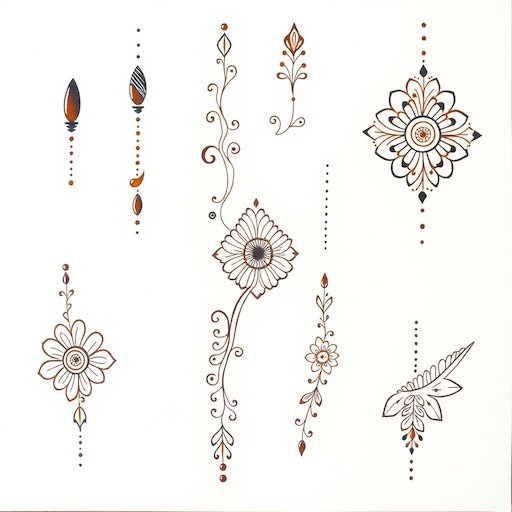
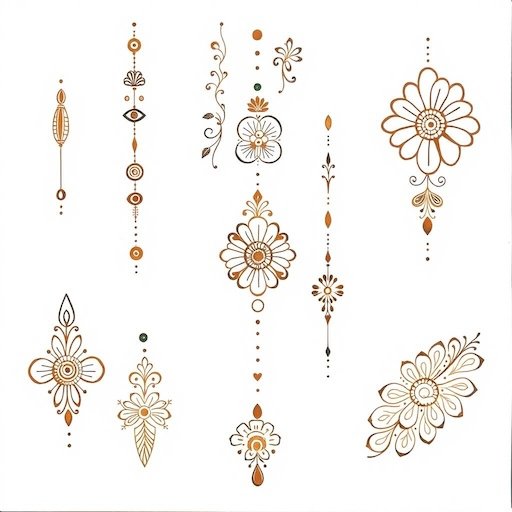
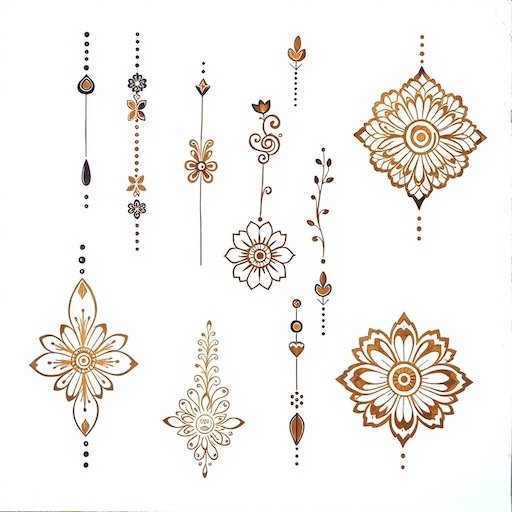
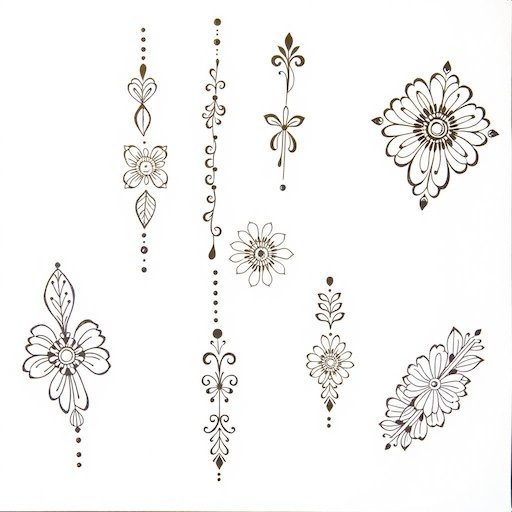
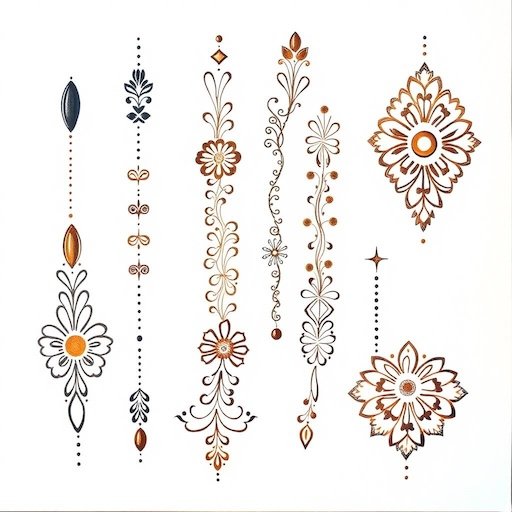
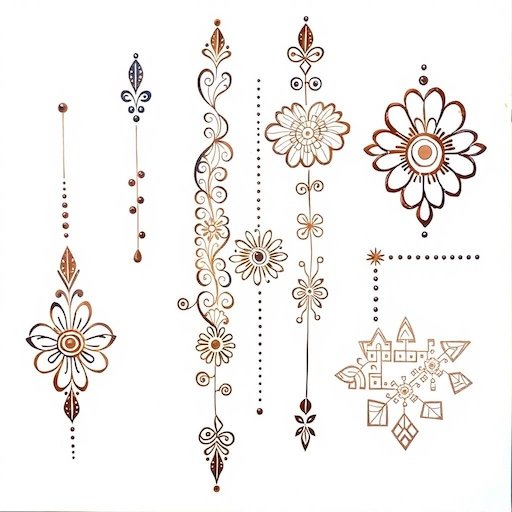
Wrist and Arm Designs
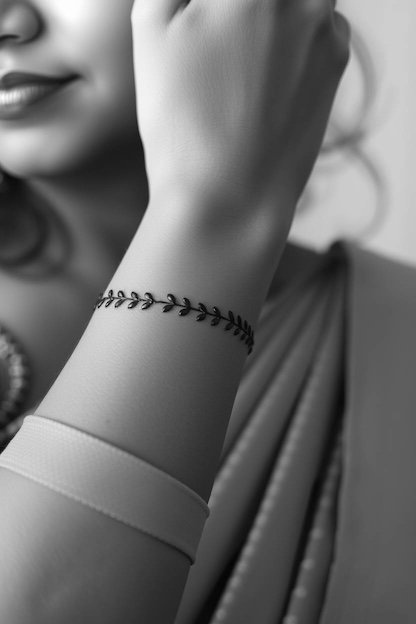
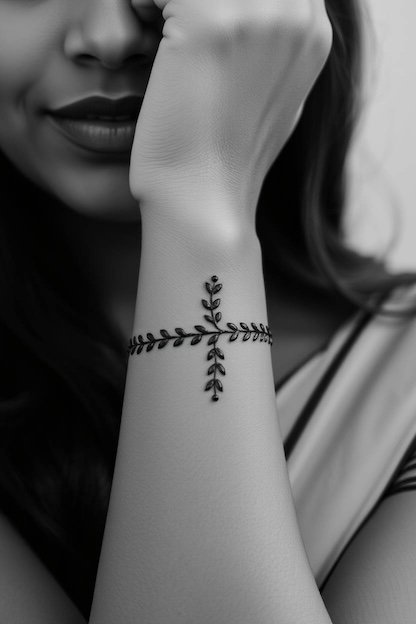
The wrist might seem small, but it’s perfect for creative mehndi. Wrist designs often resemble bracelets or cuffs. You could draw one or two delicate bands around the wrist creating a pretty bracelet effect.
A central motif on the wrist, like a floral oval or mandala, resembles a watch or jewelry centerpiece. Brides who prefer subtle elegance might opt for wrist-only designs. The wrist can also serve as the start or endpoint for longer patterns extending onto the hand or arm.
Simple armband designs placed slightly higher on the forearm are trendy too, especially for photo shoots or fashion enthusiasts. For everyday wear, a delicate wrist design is practical and attractive. Like a rakhi-style circle with small tassel-like patterns hanging off it.
Below are some sample designs from our collection that can used on the back of the hand or on the wrist and arm area then extend the vines and flowers down to the back of the hand.
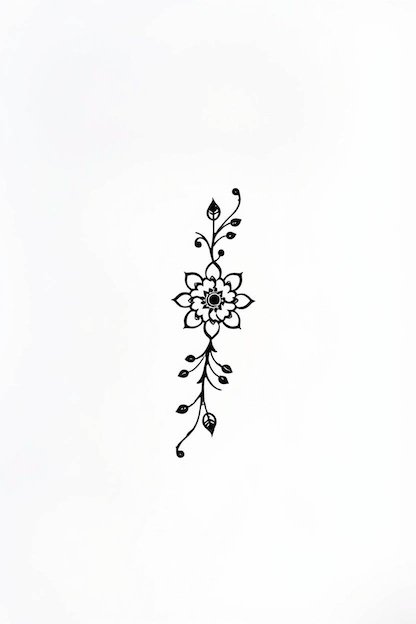
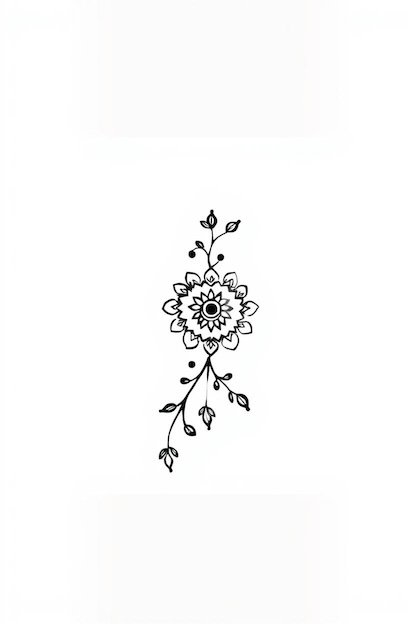
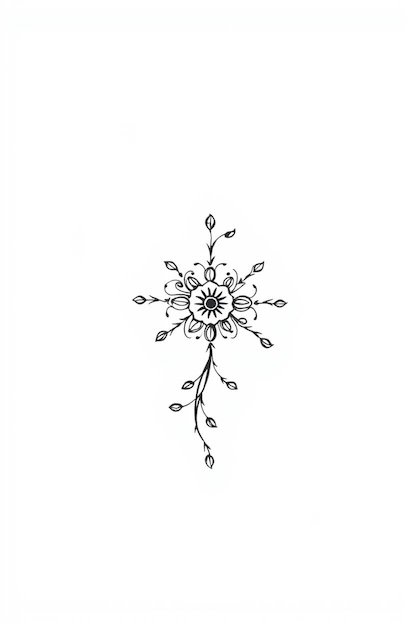
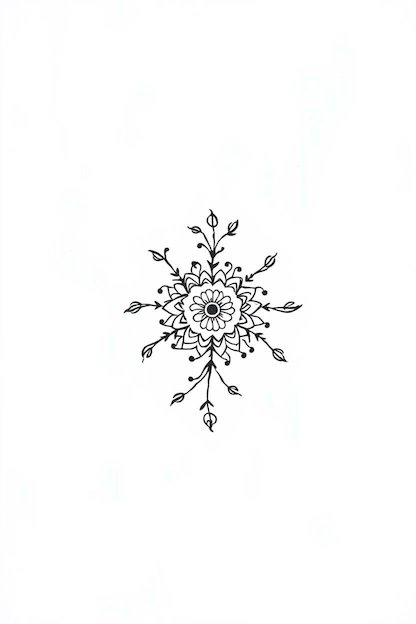
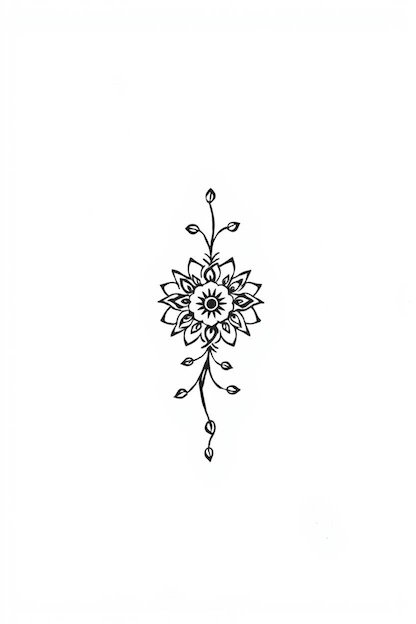
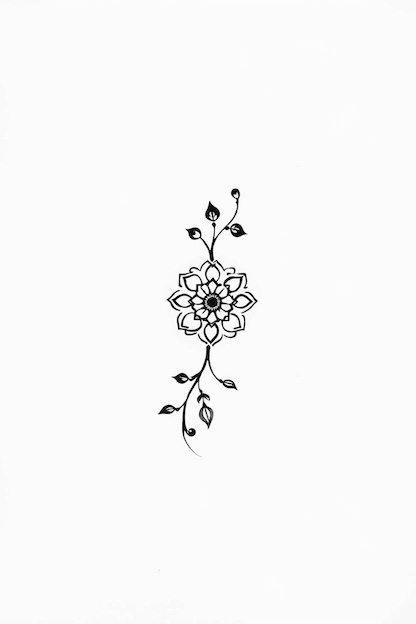
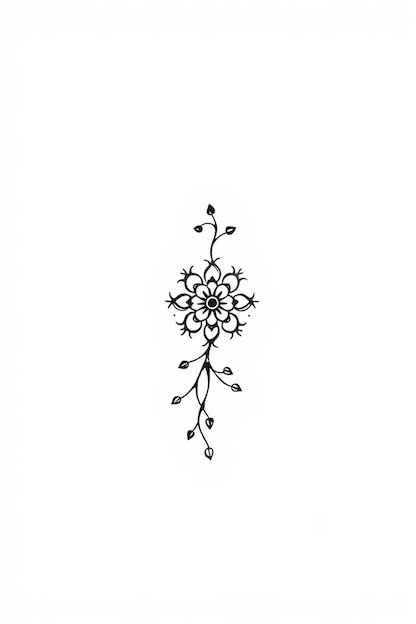
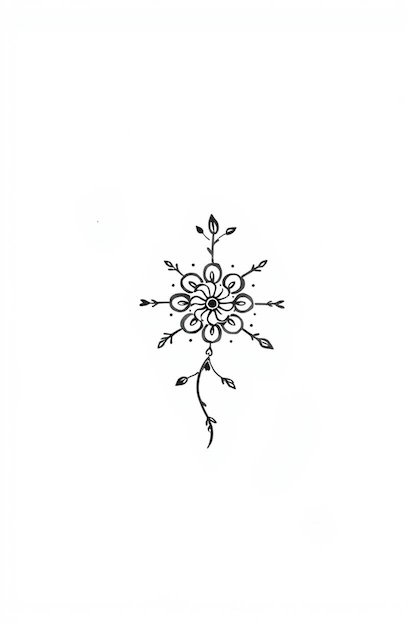
Below are more sample designs from our collection that can used on the back of the hand or on the wrist and arm. These are simple floral vines that can flow across the back of the hand. These are easy designs to draw so use your imagination and create a design that’s unique to you.
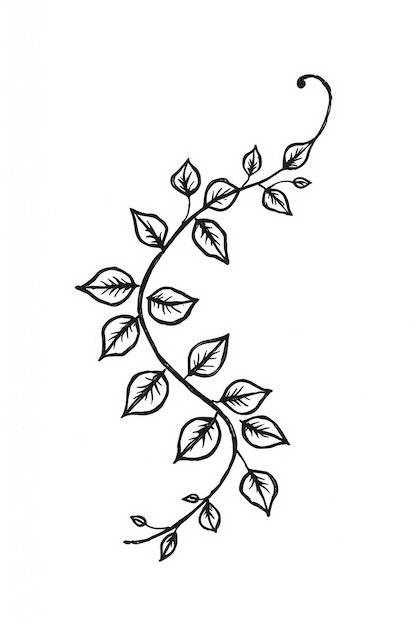
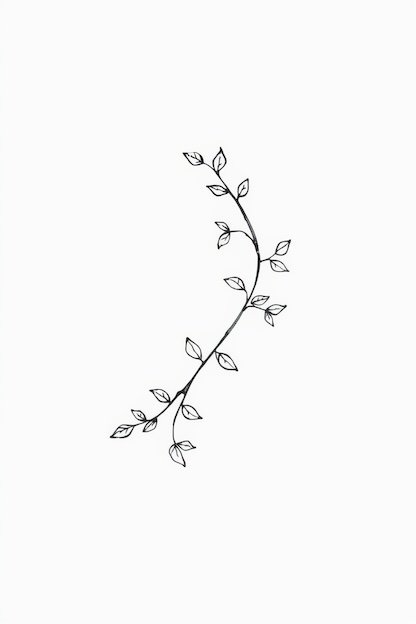
Feet and Ankle Designs
Traditionally, feet are a favorite canvas for bridal mehndi, but simpler foot designs look gorgeous during festivals or beach vacations too. Top spots include the top of the foot, around the ankles, or just the toes.
An anklet design is charming. Try a delicate chain-like pattern around the ankle, sometimes with small motifs hanging onto the foot. Imagine tiny leaves or paisleys circling the ankle.
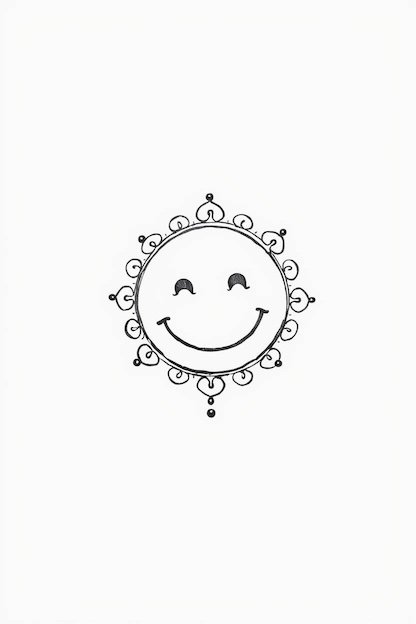
Another great option is a vine drawn along the foot’s side, curving gently from the toe toward the ankle. Designs like this are minimal yet striking. Toe decorations can be simple dots or tiny flowers, fun and easy especially for kids. Mandalas or sun motifs on the instep (just under sandal straps) also look stunning on their own.
Kids’ Mehndi Designs
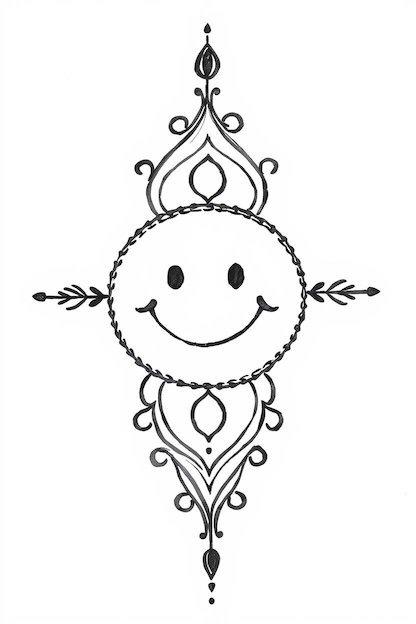
Designs for kids should be fun, quick, and easy. Cute and simple motifs are best: flowers, smiley faces, hearts, or favorite cartoon characters.
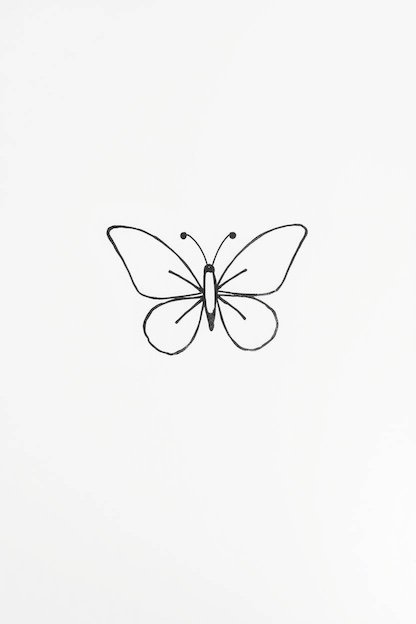
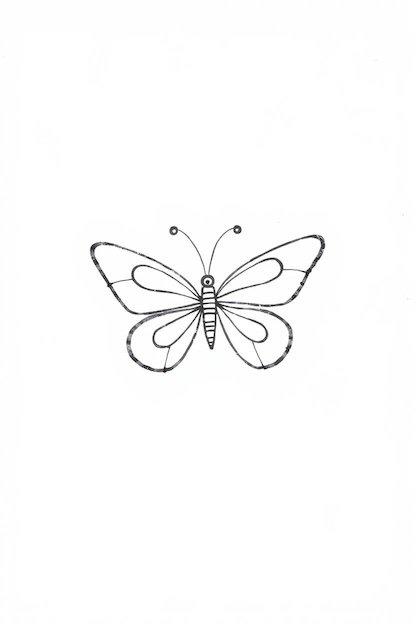
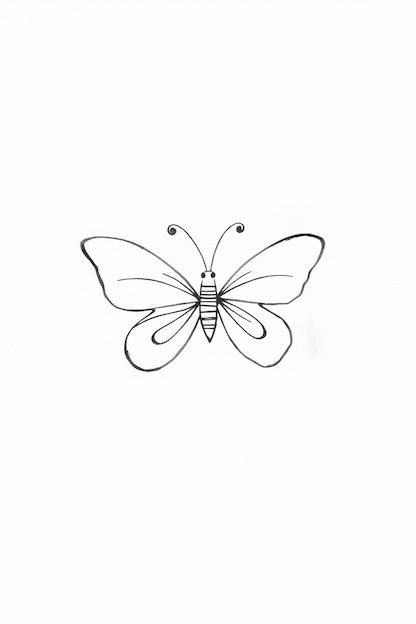
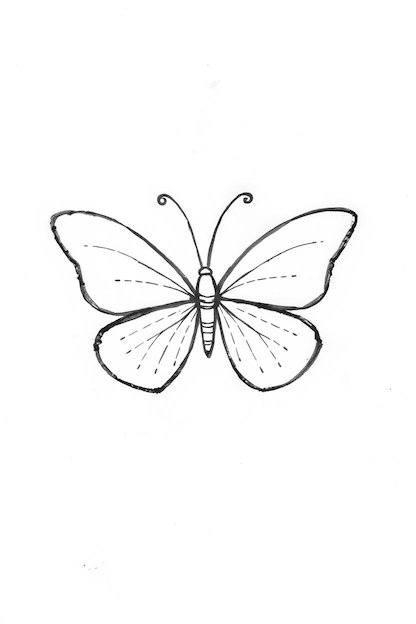
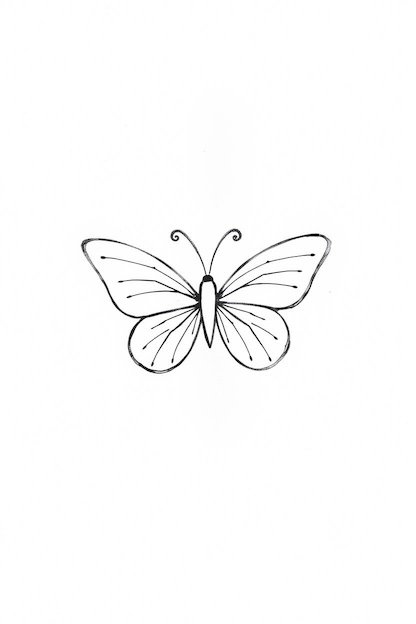
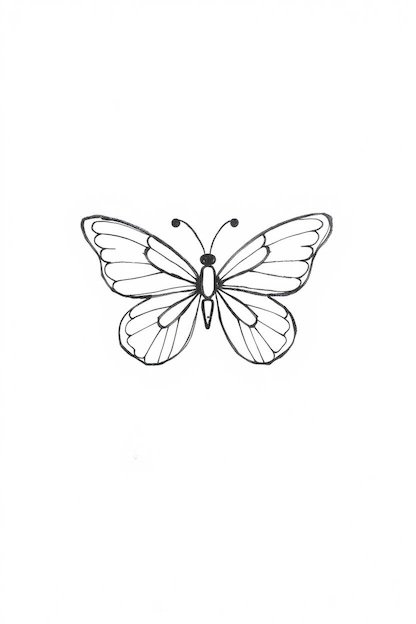
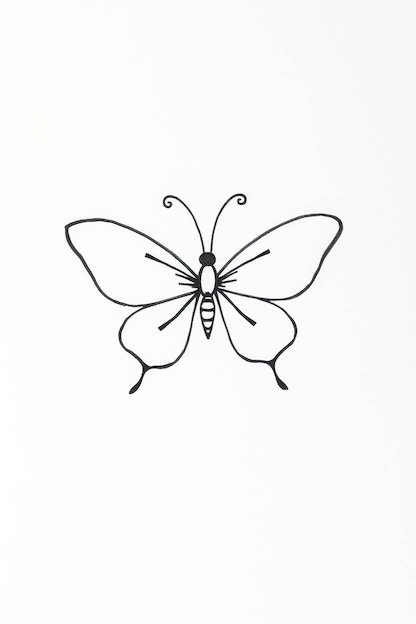
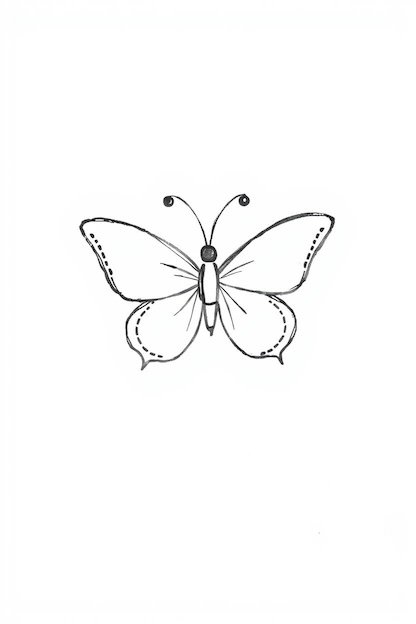
Little girls love flower designs, like sunflowers or tiny daisy chains, which you can do in minutes. Butterflies, stars, and moons are also popular. Maybe a cute crescent moon with stars sprinkled around it for special festivals like Eid. Kids enjoy meaningful designs, and these shapes can match the theme or occasion.
Smaller areas, such as a single finger or the back of the hand, are ideal. “Glove” designs that mimic jewelry, like a simple bracelet connected to a flower on the hand, look fancy but are quick and easy.
Always use natural henna on kids (avoid black henna completely), and do a patch test first if they’re new to henna. Playful designs like tiny Hello Kitty or Mickey Mouse motifs are adorable if you have steady hands. Keep things fun. The goal is for children to enjoy a delightful temporary tattoo.
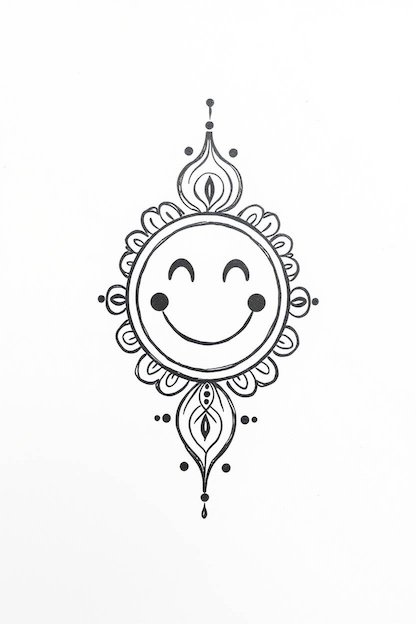
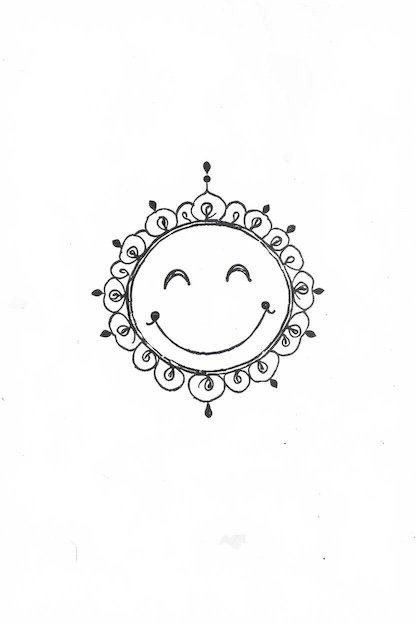
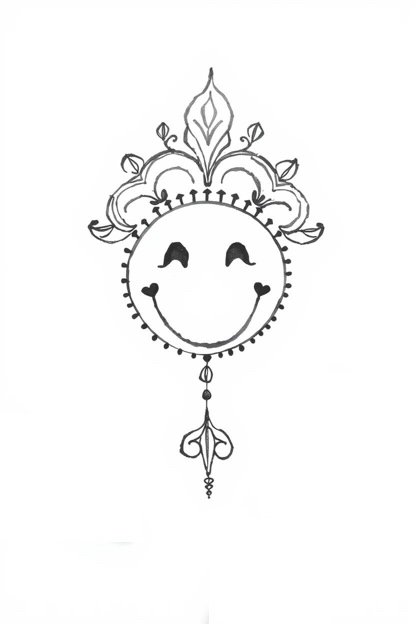
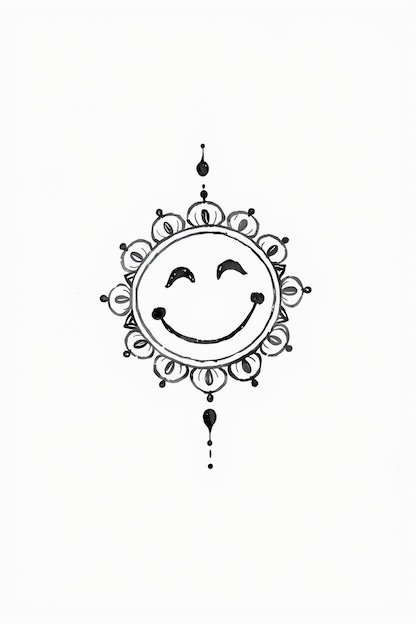

Step-by-Step Tutorials: 3 Easy Mehndi Designs
Even if you’re totally new to mehndi, you can create lovely designs by following some straightforward tutorials. Here are step-by-step guides for three easy designs—a pretty floral motif, a minimalist mandala, and a leafy vine. Each one breaks down the design into clear, simple steps, so you can confidently practice and perfect your henna skills.
1. Floral Motif (Beginner-Friendly)
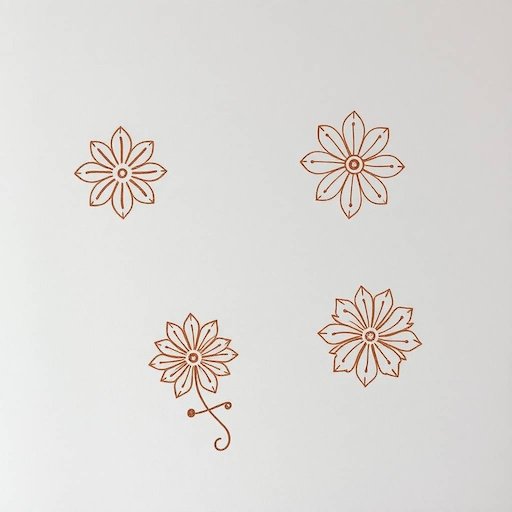
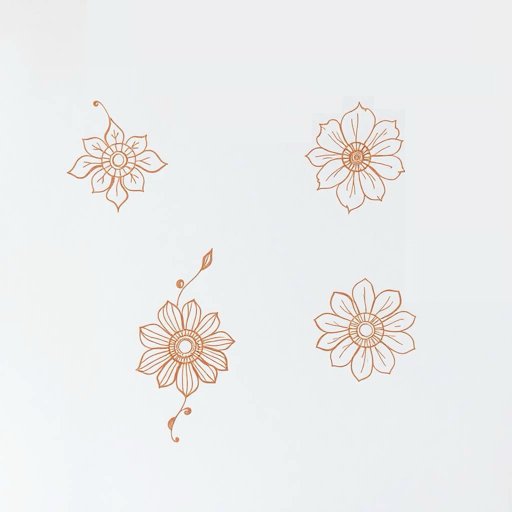
Design: A small flower with leaves. Perfect for the back of the hand or the center of your palm.
Steps:
1. Draw the Center: Start with a small circle to form the center of your flower. Just gently press your cone tip onto the skin to create a neat dot or small filled circle.
2. Add Petals: Around that circle, draw 5 or 6 evenly spaced petals, like you’re sketching a basic daisy. Each petal should be a simple almond or teardrop shape. And honestly, don’t stress if they’re not perfectly symmetrical—slight variations actually give the flower a more natural look. Quick tip: Hold your henna cone like a pen and use gentle pressure for clean, smooth lines.
3. Extend with Leaves: Draw a short line extending out from your flower, then add a few leaves. These are just larger teardrop shapes connected to either side of the line, creating little pairs. Two or three leaves are usually enough to enhance your design nicely.
4. Finish with Dots: To add a decorative touch, scatter a few dots around your flower and leaves. Just lightly touch the skin with the cone tip and lift to make clean dots. They can go around the flower or at the tips of your leaves. Dots help balance and complete the look.
And there you go. A simple floral mehndi design done! Let it dry, and soon you’ll see the petals become vibrant. It’s the perfect starting point since you’re practicing basic shapes like circles, petals, and leaves.
2. Minimalist Mandala
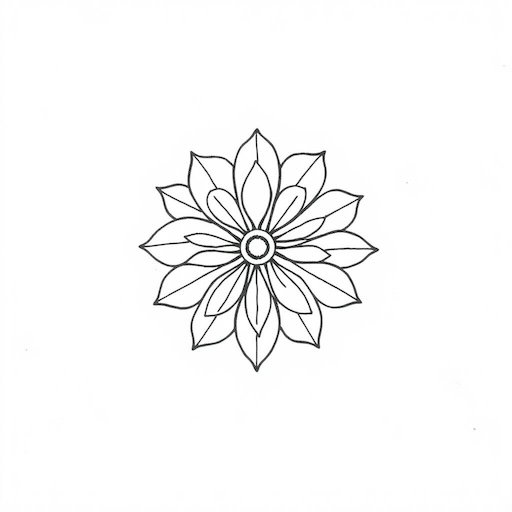
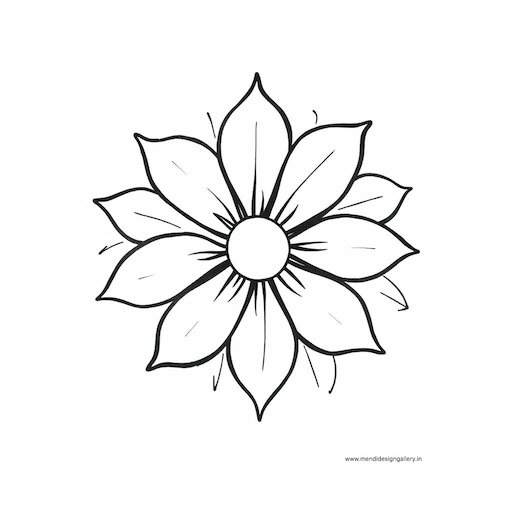
Design: A simple mandala, like a tiny sun or geometric flower. Great on your palm or back of the hand.
Steps:
1. Mark the Center: Lightly pinpoint the center of your design space with a tiny dot as a guide, then draw a small circle around it to form your mandala’s core.
2. Add Rings or Petals: Around that center, create a ring of small, equally spaced petals. Maybe five petals, like a dainty flower. Or, for a geometric feel, add another concentric circle around your first. Mandalas rely on symmetry, so keep these shapes balanced and evenly spaced.
3. Expand Outwards: Between each petal of the first layer, add another petal or a small arc shape extending outward. If your first layer had petals, maybe alternate the second layer with loops or simple petal tips peeking out. If you chose concentric circles, try adding little lines radiating outwards, like sun rays. Building outward layer by layer keeps your mandala structured yet simple.
4. Detail (Optional): If you have room, sprinkle tiny dots or small half-circles along your mandala’s outer edge. Maybe place dots at each petal tip or slip tiny leaves between the outer petals but don’t do too much. A little detail goes a long way.
That’s your mandala! Building outward from a center circle is key, and keeping each layer symmetrical gives your design harmony. For beginners, imagining your mandala as sections of a clock face can really help place shapes evenly.
3. Leafy Vine Design
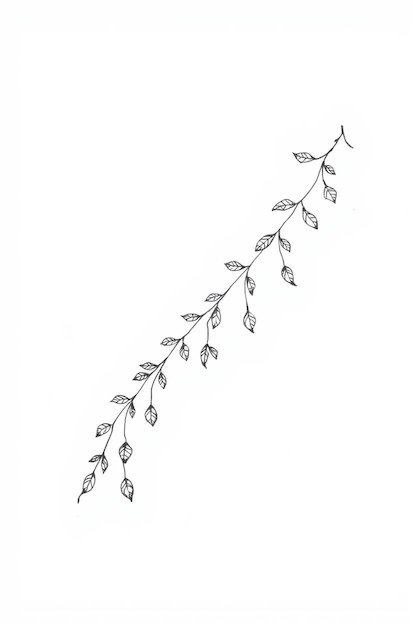
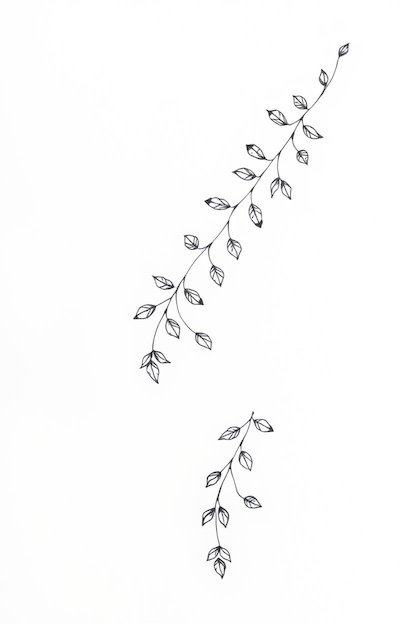
Design: An elegant vine with leaves. Perfect for fingers, the back of your hand, or even your foot.
Steps:
1. Draw the Vine Line: First, sketch a smooth, curved line wherever you want your vine. Maybe starting near your index finger and gently trailing toward your wrist. Keep your hand steady (rest it on a table) to avoid shaky lines. This line will form your vine’s stem.
2. Add Leaves Alternately: Now, add small almond-shaped leaves along your line, alternating sides as you move down. Draw one leaf on the left, a bit further down one on the right, and so forth. Depending on your space, 4 or 5 leaves usually look great. Leaves should point outward, naturally growing off the vine.
3. Add a Flower or Bud (Optional): To make your vine extra charming, pop a small flower or spiral (like a little bud) at one end or even in the middle. This is totally optional. The vine itself is lovely, but it does give the design a sweet focal point.
4. Touch Up with Dots: Lastly, sprinkle a few dots along your vine for extra detail. They can sit between leaves or around them, resembling tiny buds or berries. Use them sparingly to keep your design clean and minimalist.
A graceful, leafy vine complete! Vines look effortlessly artistic, following the natural curves of your hand or foot. Mastering a steady, flowing line and symmetrical leaves makes all the difference, so practice these basic strokes regularly.
Now that you’ve tackled these three straightforward designs, you can start mixing elements creatively. Maybe place your floral motif at the heart of a mandala, or have a tiny vine branching off from it. These tutorials serve as building blocks for more intricate mehndi. Don’t worry if your first few attempts aren’t perfect. Everyone starts off a bit wobbly. The more you practice these foundational designs, the steadier your hand will become. Soon enough, you’ll feel ready to explore more complex patterns with confidence!
Occasion-Specific Mehndi Design Inspiration
One of the best things about simple mehndi designs is how adaptable they are to different occasions. Whether you’re celebrating a cultural festival, attending a wedding, or just want some subtle, everyday henna, simplicity can easily be tailored to fit your needs. Here are some ideas and tips specific to various occasions:
Festivals and Holidays
Festivals like Diwali, Eid, Karva Chauth, and Teej often call for henna, but not everyone has the time or patience for intricate designs. Simple mehndi works perfectly in this situation. For example, during Eid, lots of women choose a tiny moon-and-star motif (the chand design) on their wrists or palms. It’s quick but still festive and symbolic. Diwali or Karva Chauth often sees women opting for a classic mandala or tikki right in the center of their palm. It’s traditional yet quick to apply.
If you prefer something even simpler, try highlighting just one finger or a small area like a minimalist lotus flower on the back of your hand. It’s festive but subtle, pairing well with bangles and ethnic outfits. Simpler designs mean less drying time and less worry about smudging while doing household chores. Symbolic motifs like diyas, paisleys, or small suns for Diwali are popular, and you can always make festive patterns using bold dots, leafy trails, or geometric shapes.
Weddings and Family Functions
Weddings usually mean elaborate henna, especially for brides, but if you’re a guest or bridesmaid, simpler designs can actually make you stand out in a classy, understated way. There’s even a rising trend among brides choosing simpler patterns for a chic, modern look.
Guests can match mehndi to their outfits like a small floral vine that complements a floral lehenga. Bridesmaids often prefer designs such as single-finger decorations or delicate bracelet-style mehndi, letting them perform their duties comfortably. Minimalist brides themselves might pick out smaller mandalas on their palms, accented lightly on their fingers, or even just a wrist cuff and anklet. This way, tradition blends beautifully with modern aesthetics.
Many brides these days find elegant, spaced-out patterns just as appealing as the traditional full-coverage styles. A medium-sized mandala with the couple’s initials, or sparse paisleys and florals with plenty of skin visible, can be breathtakingly pretty. These simpler designs are also incredibly photogenic, highlighting key elements like special symbols or ring fingers. Moreover, simple patterns dry quicker, making them ideal for last-minute applications on the day of a function.
Everyday and Office Wear
Henna isn’t limited to special events. Lots of people love wearing small, everyday designs as a regular fashion accessory. For daily wear, being subtle is essential. Designs like tiny tattoo-style motifs work best. Think of a delicate henna feather behind your ear, a slender line of dots down the side of your finger, or a tiny heart or initial on your wrist. These designs are easy to conceal when needed (behind a watch or sleeve) and perfect for showing off after hours.
Many professionals prefer smaller, discreet designs. A thin vine along your thumb or a subtle geometric symbol on your wrist can add a sophisticated touch without clashing with workplace dress codes. While most Indian offices are pretty relaxed about mehndi, keeping it minimal ensures professionalism.
Another perk of simple designs is they fade quicker. You can refresh your design every week or so. A great everyday tip: apply a small design during the weekend, enjoy it at social events, and watch it naturally lighten by the time your workweek starts again. Minimalist designs align perfectly with daily life. They’re quick to apply, unobtrusive, and still beautifully artistic.
Some people also use henna as a natural tattoo substitute, drawing small symbols like suns, yin-yang, or meaningful words on wrists or ankles. These personalized touches are naturally simple yet carry deeper significance. Just remember to use high-quality natural henna to maintain a lovely brown stain rather than a patchy orange fade.
To sum it up, for everyday use, stick with small, simple patterns. Just one or two elements at most. Overdoing it isn’t practical, but a tiny henna motif can easily become part of your unique personal style.
Popular Motifs in Simple Mehndi Designs
When it comes to simple mehndi designs, certain motifs keep popping up again and again mainly because they’re attractive, versatile, and pretty easy to draw. Let’s explore some of the most beloved minimal mehndi motifs and why they’re so consistently popular:
Floral Patterns: Honestly, flowers are probably the most universally loved motifs in mehndi, especially simple designs. They can range from a basic four-petal blossom to an intricate rosebud, but even the simplest floral shapes have a natural charm. Florals never really go out of fashion because they’re visually pleasing and simple enough for beginners.
A single flower, a daisy chain, or clusters of tiny blossoms around your fingers can easily form a complete, elegant design. What’s great about flowers is their flexibility. You can pair them with nearly any other motif (leaves, dots, geometric patterns) to enhance their beauty. Plus, real flowers aren’t perfectly symmetrical anyway, so even if your petals are a bit uneven, they still look lovely in henna.
Leaf and Vine Motifs: Leaves and vines are fantastic for adding graceful flow to your design. A leafy vine, as you practiced earlier, is simply a line with leaf shapes branching off it. It’s a classic element in many mehndi patterns. Leaf motifs pair beautifully with flowers or paisleys, or they can stand alone as borders or filler details. Tiny leaves, ferns, or paired leaves add intricate detail without overwhelming simplicity.
Drawing a delicate string of leaves along your finger or around your wrist feels organic and looks effortlessly pretty. Another great way to use leaves is forming partial wreaths around mandalas or circular designs. Since leaves are repetitive shapes, they’re easy to master quickly. They help keep designs airy, light, and beautifully simple.
Dots and Beads: Dots might seem basic, but they play a surprisingly significant role in mehndi. Known as “bead patterns,” strings of dots or tiny circles create a minimalist yet detailed look. Imagine drawing a curved line and placing evenly spaced dots along it. Suddenly, you have something resembling a delicate pearl necklace.
Dots can also fill empty spaces, accent motifs (like flowers or leaves), or even form geometric patterns. Clusters of dots can add shading effects without complicated linework. Since dots are literally just a quick press of your cone tip, they’re the simplest element you can add, yet they instantly elevate the overall design.
Geometric Shapes: If you’re looking for a modern, edgy vibe, geometric motifs are for you. These include triangles, diamonds, squares, and cross-hatched or mesh patterns. Simple geometric mehndi might feature concentric triangles or diamonds on the back of your hand for a stylish statement. Clean, sharp lines and clearly defined shapes look contemporary and striking.
The traditional mesh (jaali) pattern, simple crisscrossing lines, is a timeless favorite that works beautifully as a main feature in minimalist designs. Geometric motifs appeal particularly to those who prefer balanced, symmetrical patterns. Simple mandalas made entirely of overlapping squares or triangles might seem complex but are actually straightforward and eye-catching.
Linear Patterns: When we talk about linear motifs, we mean designs built around simple lines. The lines can be straight, curved, or wavy. Lines form the backbone of nearly every mehndi design, especially in minimalist styles, lines alone are the design. Imagine parallel lines around a finger to look like rings, a simple spiral line, or zigzag patterns across the hand.
The traditional belt or band pattern makes a beautiful yet straightforward design. Another favorite is the mid-finger ring, drawn as a horizontal line or two around a finger joint, resembling jewelry. Linear patterns save tons of time and have a modern, abstract look. Even simple crisscrossed lines or wavy borders can be surprisingly attractive.
Usually, simple mehndi designs combine a couple of these motifs. For instance, you might pair floral motifs with leafy vines, or geometric shapes accented with dots. Each of these motifs takes minimal effort but delivers maximum visual impact. And honestly, that’s exactly why these motifs continue to be so loved in the world of mehndi.
Tips and Techniques for a Steady Hand and Symmetry
One of the trickiest things about applying mehndi, especially as a beginner, is keeping those lines clean and designs symmetrical. But don’t worry, there are some straightforward tips and tricks to help you improve quickly:
- Practice the Basics: Before jumping into elaborate patterns on your skin, start simple. Grab some paper or a practice board and draw basic lines, dots, circles, and leaf shapes repeatedly. Once you can confidently draw these basic elements, using a henna cone will feel much easier.
- Proper Cone Handling: How you hold your henna cone makes all the difference. Think of it like a pen, not a piping bag. Resting your pinky finger or palm on the surface provides stability. Also, ensure consistent pressure while squeezing the cone so the henna flows evenly. If your lines look thick or messy, try tightening the cone tip or use one with a finer tip. Slow and steady beats rushed and shaky every time.
- Steady Your Hand: Comfort matters. Sit at a table, rest the hand you’re decorating flat on the table, and support your drawing elbow if possible. A helpful trick is breathing calmly while drawing longer lines. It genuinely reduces tremors. If you feel shaky, pause and reposition. It’s better to reset than to keep going unsteadily. If you’re applying henna on someone else, make sure they’re at a comfortable height so you’re not stretching awkwardly.
- Use Reference Points for Symmetry: Freehand symmetry can be tough. So, lightly marking center points or using tiny dots as guides really helps. When doing matching designs, like on both hands, sketch key reference points first. It sounds obvious, but marking these helps keep everything even. Breaking complex patterns into simple parts also helps. Sketch a basic grid or a few primary lines first, then add symmetrical details around them.
- One Element at a Time: When aiming for symmetrical designs, mirror your work. Instead of finishing one side completely, alternate between sides. Draw a motif on the left, then immediately mirror it on the right. Doing paired elements together keeps them balanced and consistent.
- Correction Techniques: Mistakes happen to everyone. If a line goes rogue, quickly wipe it with a cotton swab or a damp paper towel before it stains. You can also gently scrape away tiny mistakes with a toothpick. Small errors can often be disguised or blended into the design, so don’t stress too much. Tiny imperfections often aren’t noticeable once the henna dries.
- Patience and Steadiness Over Speed: Take your time. Especially in the beginning. If your hand feels tired or shaky, pause and take a quick break rather than rushing through. As you gain experience, your speed naturally improves, but clarity and steadiness should always come first.
- Tools for Aid: If symmetry still challenges you, tools like stencils, grid mats, or chalk pencils can be lifesavers. Using a mirror occasionally can also help spot asymmetry issues you might overlook directly. These aids are like training wheels. As your confidence grows, you’ll rely on them less.
With practice and these simple techniques, you’ll quickly notice your mehndi skills improving.
Frequently Asked Questions
Finally, let’s tackle some common questions beginners usually ask about simple mehndi designs and applications. If you’re just starting out, these quick answers will definitely help clear up any doubts you have:
Q1: How long does a simple mehndi design usually last?
A: Typically, your design will last between 1 to 2 weeks, gradually fading as your skin exfoliates. Usually, the color stays darkest for the first 3 to 4 days and then slowly starts to lighten. With good aftercare you’ll easily get about 7 to 10 days of vivid color on your hands. On other body parts like your upper arm or back, it might even last longer because these areas are washed less frequently. Keep in mind, though, everyone’s skin is a bit different, so results can vary.
Q2: How can I make my mehndi stain darker?
A: A few easy tricks make a huge difference. First, leave the henna paste on your skin for as long as possible. Ideally 6 to 8 hours or overnight. Use a lemon-sugar mix to keep it moist. Applying gentle heat, like clove smoke or a warm towel wrap, also helps. After removing the dried paste, rub natural oils (coconut or mustard oil works great) into your skin to moisturize and deepen the color. Definitely avoid water for the first day. Don’t worry if it looks orange initially; the stain naturally darkens to a rich brown within 24 to 48 hours.
Q3: I’m not great at drawing. Can I still make nice mehndi designs?
A: Absolutely! Honestly, artistic skill isn’t mandatory. Start with simple patterns, dots, and basic shapes. You can use our designs which makes it super easy to get beautiful results right away. The more you practice, the steadier your hand gets. Even pros were beginners once!
Q4: How long should I keep mehndi on before removing it?
A: Aim for at least 6 to 8 hours, though overnight (8 to 12 hours) is ideal. A good tip is applying henna in the evening, leaving it overnight, and removing it the next morning. Remember, don’t wash it off with water. Gently scrape it off instead. Initially, the stain will look orange but darkens significantly over the next day. For tips on how to remove your mehndi you can go here https://www.healthline.com/health/how-to-remove-henna.
Q5: Is henna safe? What about “black henna”?
A: Natural henna (pure mehndi) is very safe. It’s just a plant dye. However, avoid “black henna” which often contains harmful chemicals like PPD that can cause allergic reactions. Real henna stains range from orange to dark brown, never black. Always choose organic, natural henna, and consider doing a patch test first if you’re trying a new product.
Q6: Any tips for applying neat designs on my own hands?
A: Using your non-dominant hand is tricky at first. Keep your designs very simple and practice basic shapes. Resting your hand on a surface while drawing helps stabilize it. Stencils or henna applicator bottles can also simplify the process.
Don’t stress too much. The beauty of henna is that it’s temporary and meant to be enjoyable. Every design you do builds your confidence. Happy practicing!